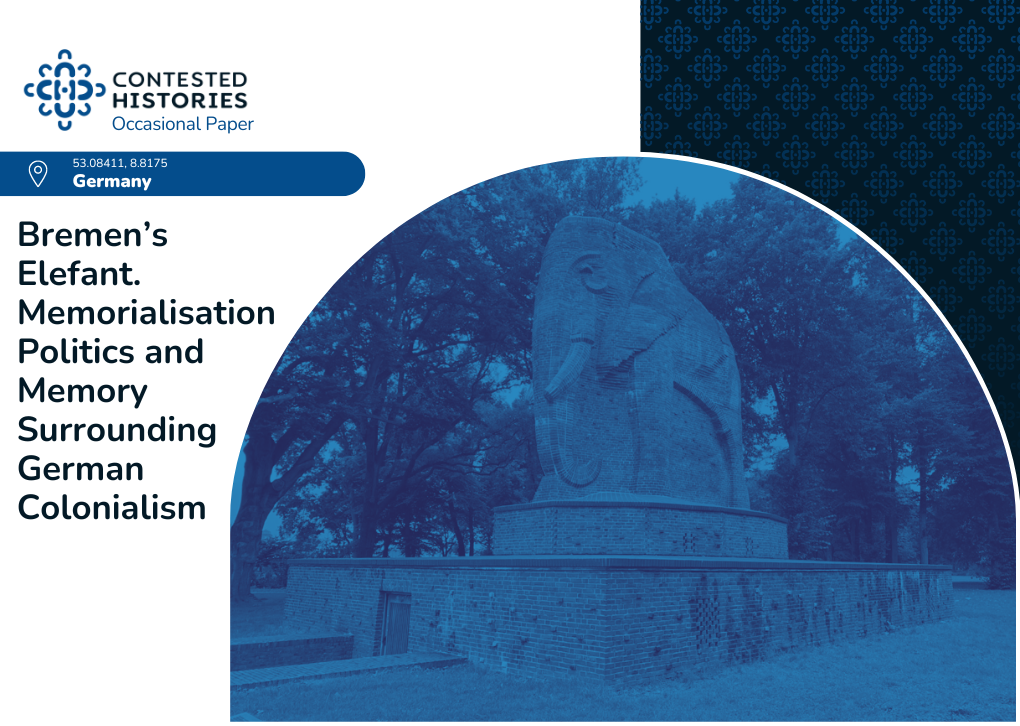
Bremen’s Elefant: Memorialisation, politics, and memory surrounding German colonialism
Germany
By Berklee Baum •
Germany By Berklee Baum March 2022… Read More
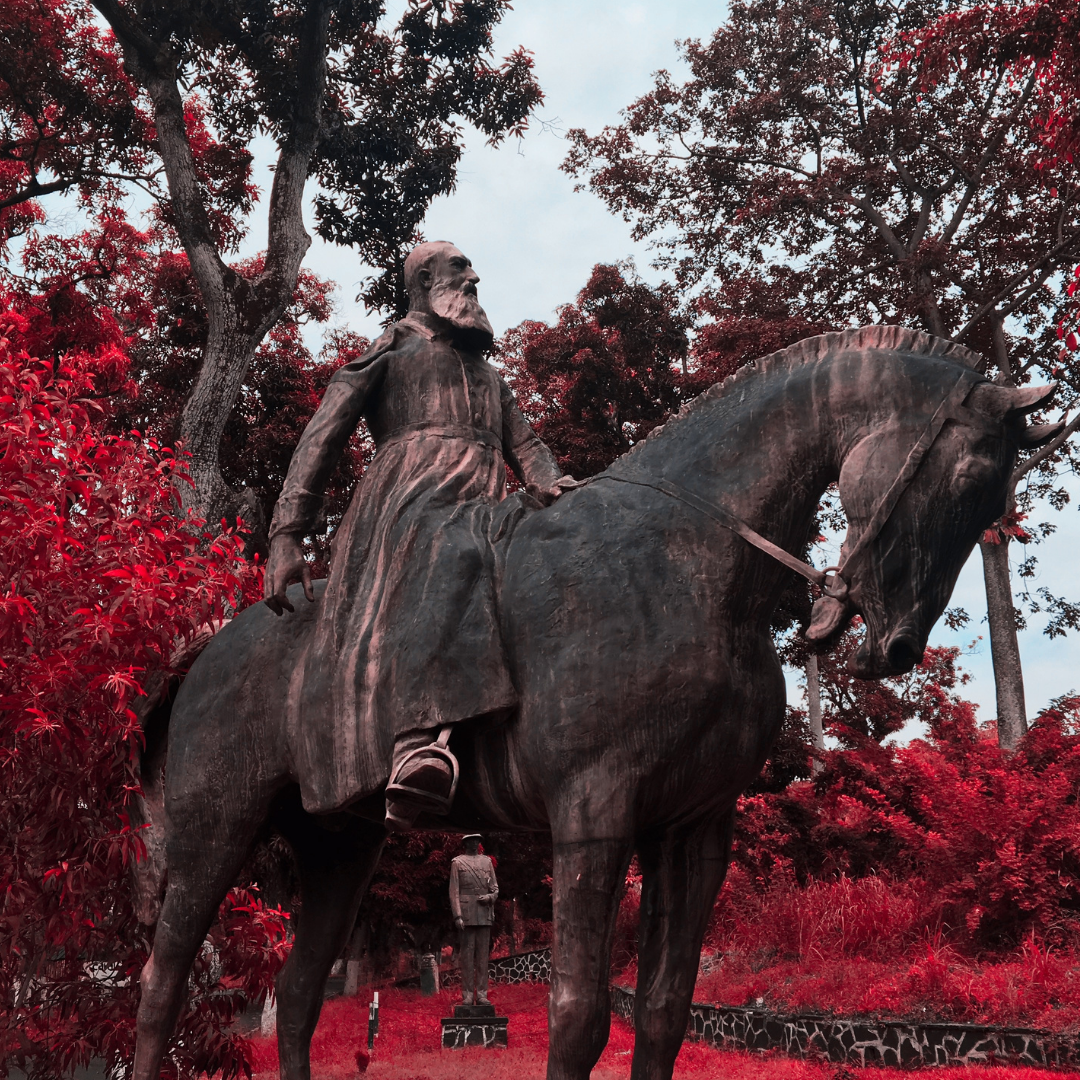
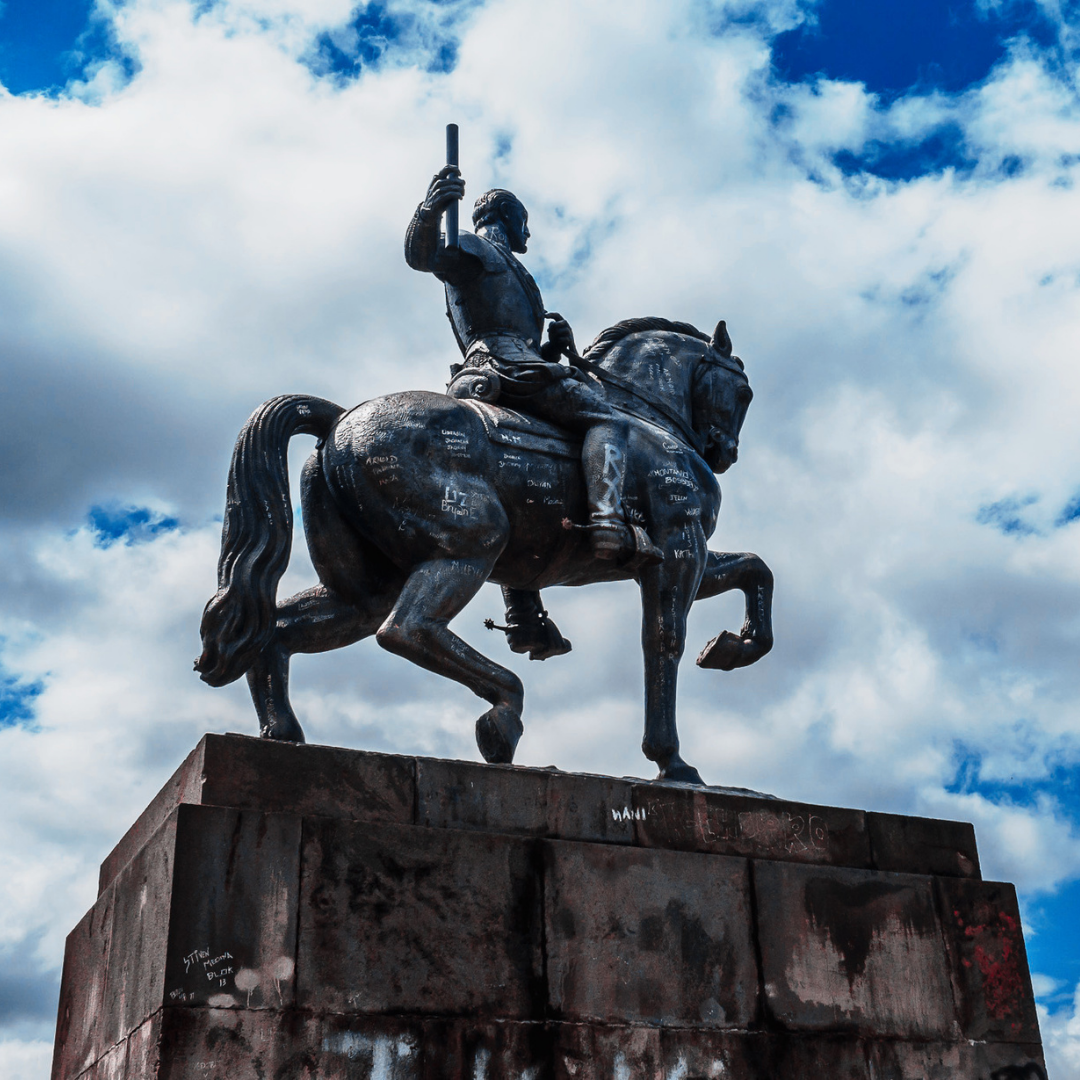
In 1967, an equestrian statue of Belgian King Leopold II, the owner and absolute ruler of the Free State of Congo from 1886 to 1908, was taken down and discarded on the outskirts of Kinshasa, in today’s Democratic Republic of Congo, as part of President Mobutu’s postcolonial re-indigenising policy. Read More
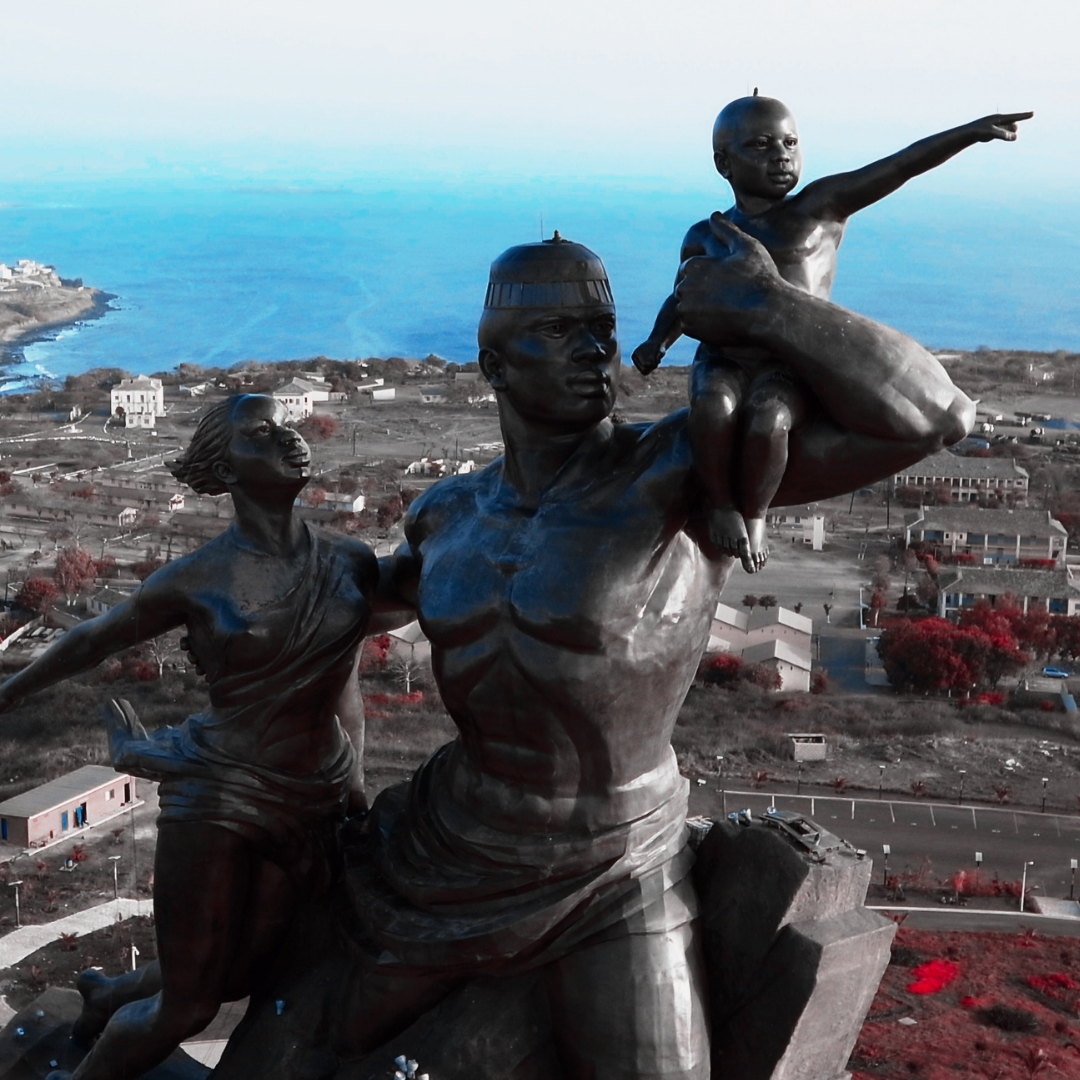
The African Renaissance Monument is a 50-meter tall statue in Dakar, Senegal, erected in 2010 as the project of then-President Abdoulaye Wade. It serves to commemorate the ‘African Renaissance,’ a political ideology that heralds a goal of growth and prosperity for the African continent in the 21st century. However,… Read More
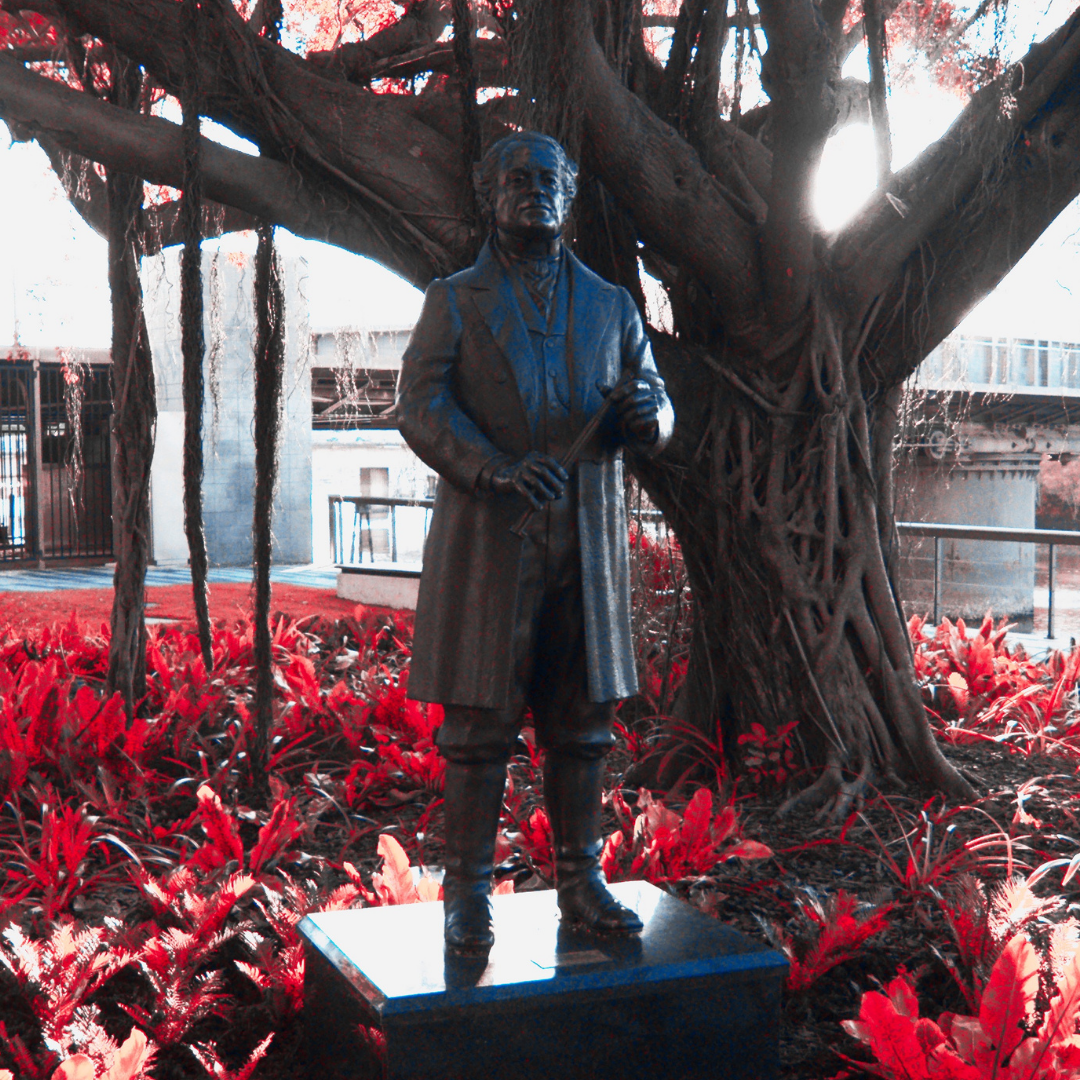
On June 22, 2020 the statue of Townsville’s founder and namesake Robert Towns was vandalised by the smearing of red paint on his hands to symbolise blood. The vandalisation formed part of a wider movement in Australia to confront the nation’s colonial past. Robert Towns and Townsville as a… Read More
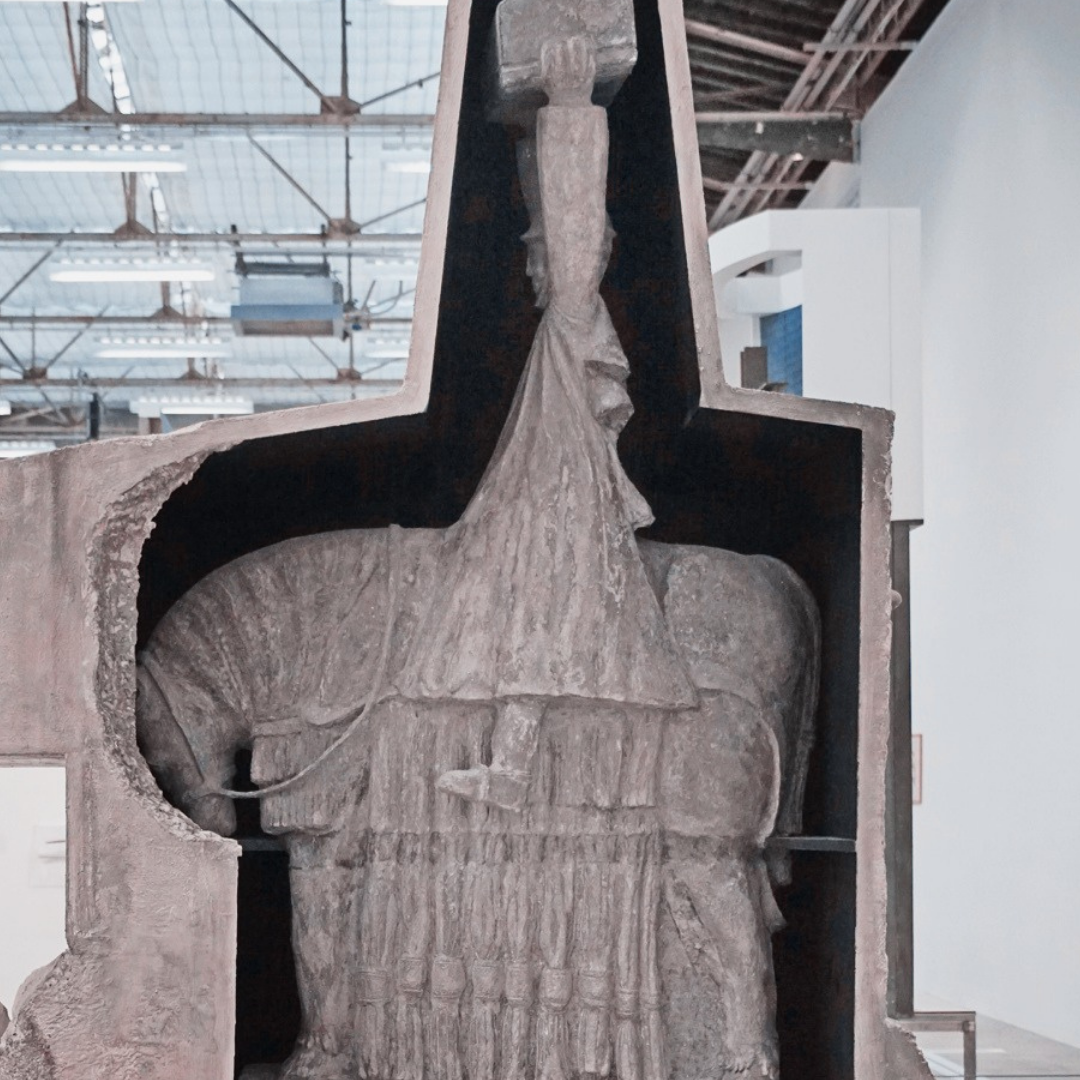
Built after the First World War, ‘Le Pavois’ was meant to symbolise unification between Europe and Africa. However, to the people of Algier, it is a symbol of the colonial past and French oppression. After Algeria gained independence in 1962, discussions between city representatives and local artists arose about… Read More
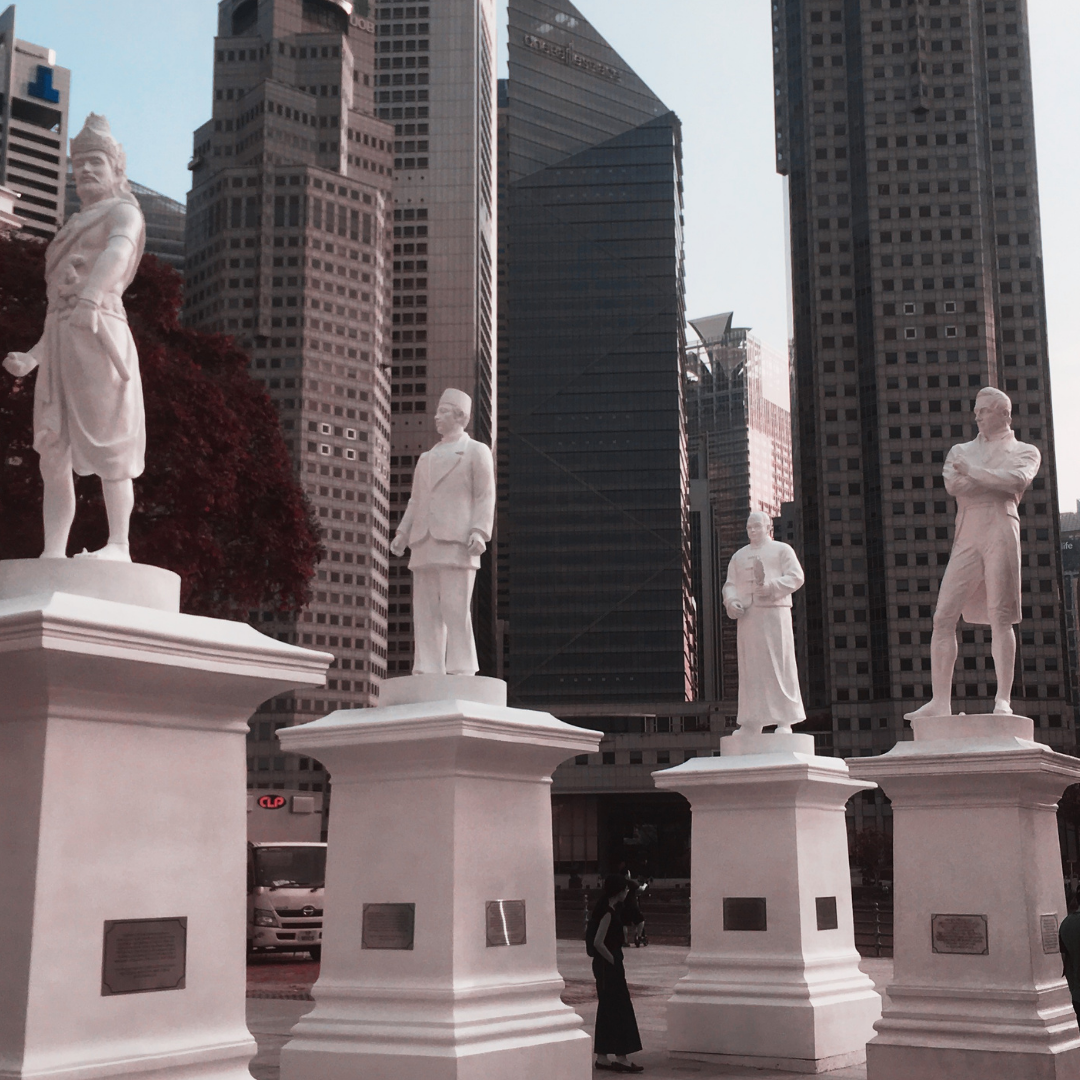
In 2019, Singapore commemorated its bicentennial and the 200th anniversary of the arrival of Sir Stamford Raffles to its shores. The innovative approach to addressing the statue of Raffles and the state’s narrative regarding his legacy sets this case apart from other colonial-era figures around the globe. Singapore’s historical… Read More
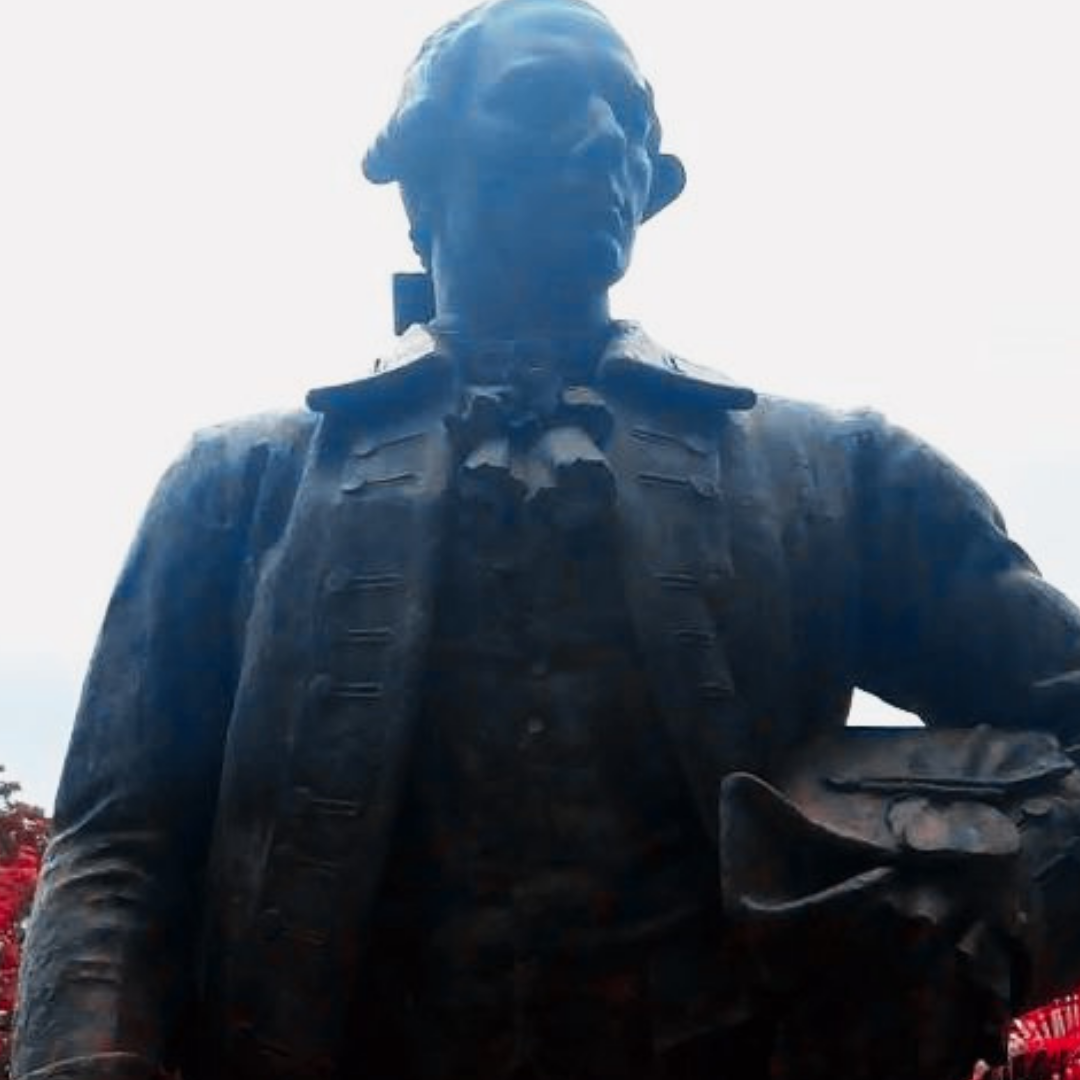
In the wake of the Black Lives Matter (BLM) protests of 2020, the statue of the founder of the British colony of Penang, Francis Light came under increased scrutiny and public vandalisation, which sparked both heated and starkly polarized debates on social media. This case offers insight into Malaysian… Read More
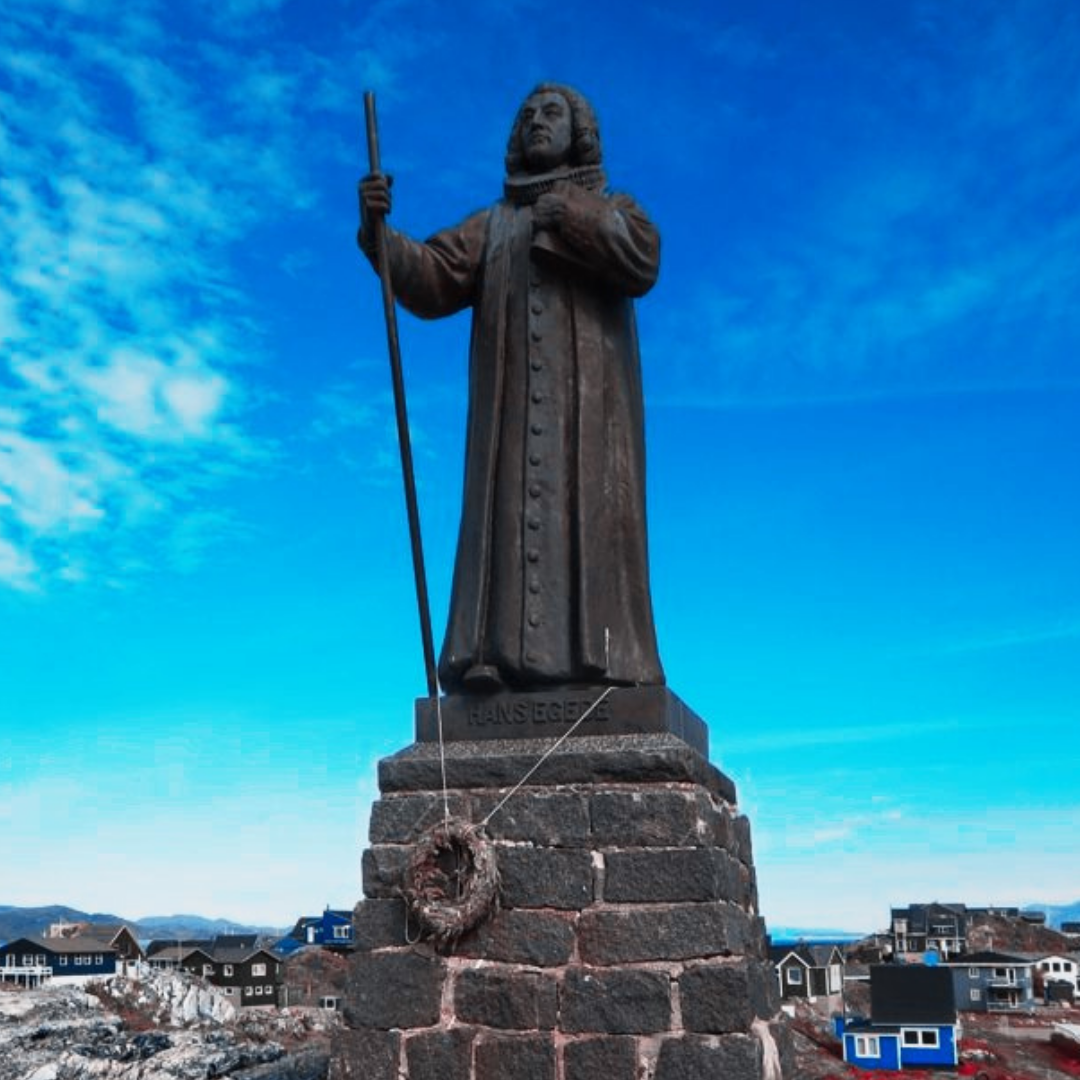
The vandalism of the Hans Egede statue in June 2020, and subsequent discussions surrounding the suitability of its positioning upon a mountaintop in Nuuk, catalysed debate over the colonial past, present, and future of Greenland, known to its indigenous population as Kalaallit Nunaat. Following a community-based political debate and… Read More
This memorial commemorates the 1895 Battle of Coolela, fought in Mozambique between the Portuguese colonial administration and their African allies, and the Gaza Empire led by Emperor Ngungunyane. The monument was originally created by the Portuguese administration in the late 1890s to celebrate their victory and conquest and to… Read More
In 2015 the #Rhodesmustfall protests erupted at the University of Cape Town in South Africa. The resulting debate and movement soon spread globally, with similar protests occurring at the University of Oxford. This case study shows how protests over symbolic historical representations can draw wider attention to issues of… Read More
Originally erected in 1813, the statue of British Colonial Admiral Horatio Nelson, enjoyed 206 years of undisturbed tenure in the centre of Bridgetown. However, in recent years Barbados has undergone a journey of renewing national identity and demarcating new heroes, causing Nelson to come under scrutiny. This case raises… Read More
This book critically opens new pathways for de-colonial scholarship and the reclamation of indigenous self-definition by women scholars. Indigenous peoples around the world are often socially and gender egalitarian, matricentric, matrifocal, matrilineal, less violent, beyond heteronormative, ecologically sensitive, and with feminine or two-gender deities or spirits, and more. Read More