Colonialism

#99

Victor Schœlcher Statues in Fort-de-France and Schœlcher

Martinique, France

By Contested Histories Initiative •

In May 2020, two statues of French administrator Victor Schoelcher were destroyed in Martinique by members of the local youth group Ligue de Défense Noire Africaine (LDNA/Black African Defence League). Despite being a celebrated figure for his role in abolishing slavery in the French colonies, Schoelcher’s legacy has come… Read More
#95

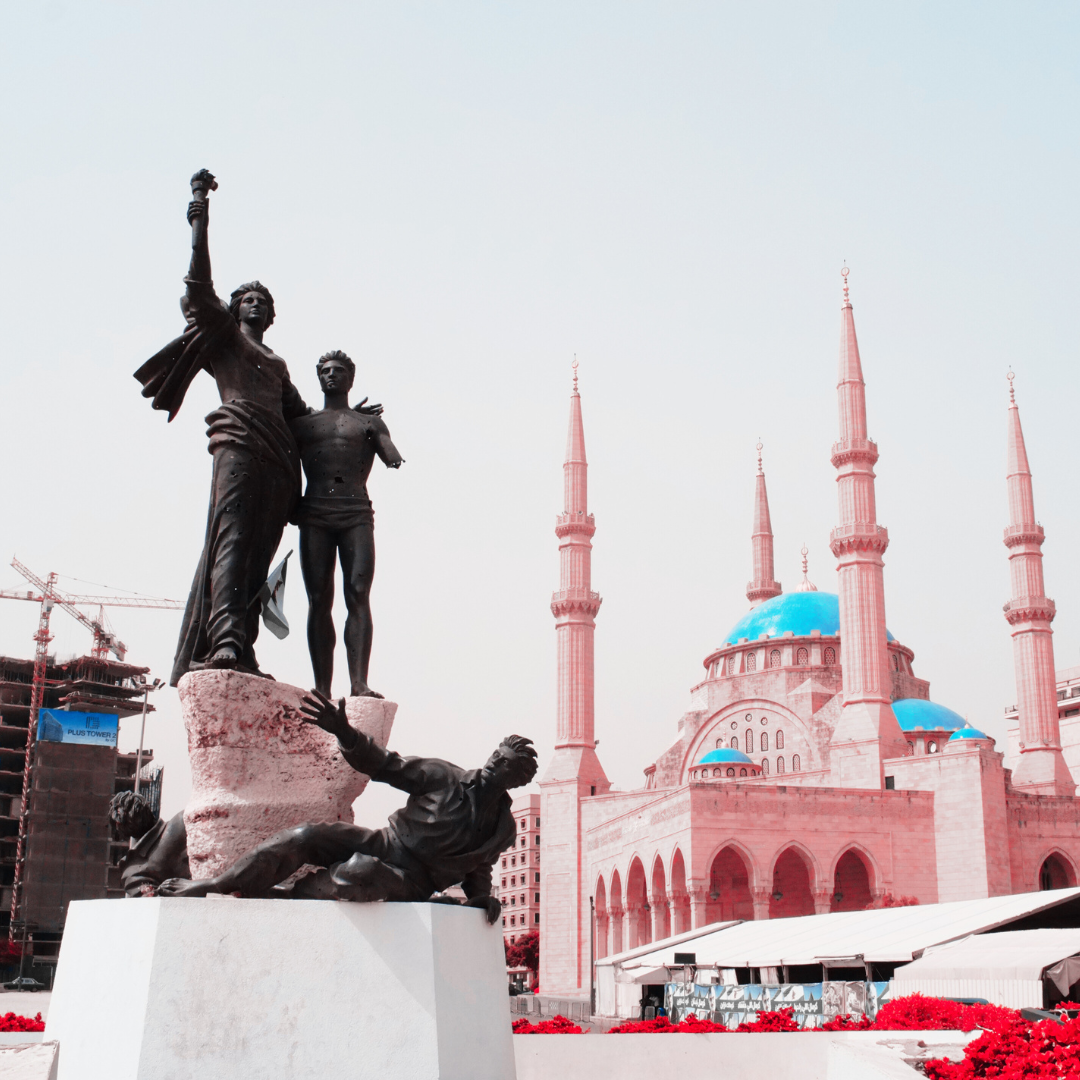
Martyr’s Square and Statue in Beirut

Lebanon

By Contested Histories Initiative •

Martyrs’ Square, a public space in Beirut, Lebanon, has a century-long history as a cultural symbol and centre of political resistance. Throughout multiple transformations and governmental regimes, Martyrs’ Square has represented the confl icts and turmoil of Lebanon itself. The contemporary role of Martyrs’ Square is that of a… Read More

#38

Ahn Jung-geun Memorial in Harbin

China

By Contested Histories Initiative •

In 2014, the Ahn Jung-geun memorial was inaugurated in Harbin railway station, China. Itspurpose was to commemorate the Korean patriot who assassinated the Japanese statesman ItoHirobumi in 1909, in this very station, as an act of resistance against Meiji Japan’s imperialexpansion. The memorial, constructed with the joint endorsement of… Read More

Repatriation of Artistic Artefacts: Back to the Origins

By Marina Sirvent •

The repatriation of artistic artefacts to their places of origin is a topic that has become increasingly significant in cultural and political discourse worldwide. This process restores historically and spiritually valuable objects to the communities that created them, recognising their right to preserve and reinterpret their heritage.  The… Read More

#438

Abdelkader Statue in Amboise

France

By Contested Histories Initiative •

Inspired by historian Benjamin Stora’s recommendations on French-Algerian reconciliation regarding their tumultuous shared colonial history, the Amboise town council, backed by the Elysée Palace, commissioned a sculpture to commemorate Emir Abdelkader, an anti-colonial fighter who was imprisoned in the city during the nineteenth century. He later moved to Syria,… Read More

#356

Columbus Monuments in Mexico City

Mexico

By Contested Histories Initiative •

Mexico City was the only city known to have two statues of Cristopher Columbus. Themonuments were both 19th-century statues placed within walking distance of each other – inPaseo de la Reforma and Calle Buenavista, in the heart of Mexico City. Given its visibility andposition in a heavily trafficked street,… Read More

#313

Coronation Park in New Delhi

India

By Contested Histories Initiative •

In the 1960s, two decades after India’s independence from colonial rule, certain sections ofthe society demanded the removal of specific memorial markers of the colonial past. Thincluded the statues in the Coronation Park in the capital of the country, New Delhi. TheCoronation Park harks back to the times of… Read More

#252

Three Dikgosi Monument in Gaborone

Botswana

By Contested Histories Initiative •

On September 29, 2005, a statue of three dikgosi (kings) who visited England in 1895 to protestagainst the imminent handover of their lands to the British South Africa Company was unveiledin Botswana’s capital city, Gaborone. The three dikgosi are seen as ‘Founders of the Nation’ andthe monument also tells… Read More

#490

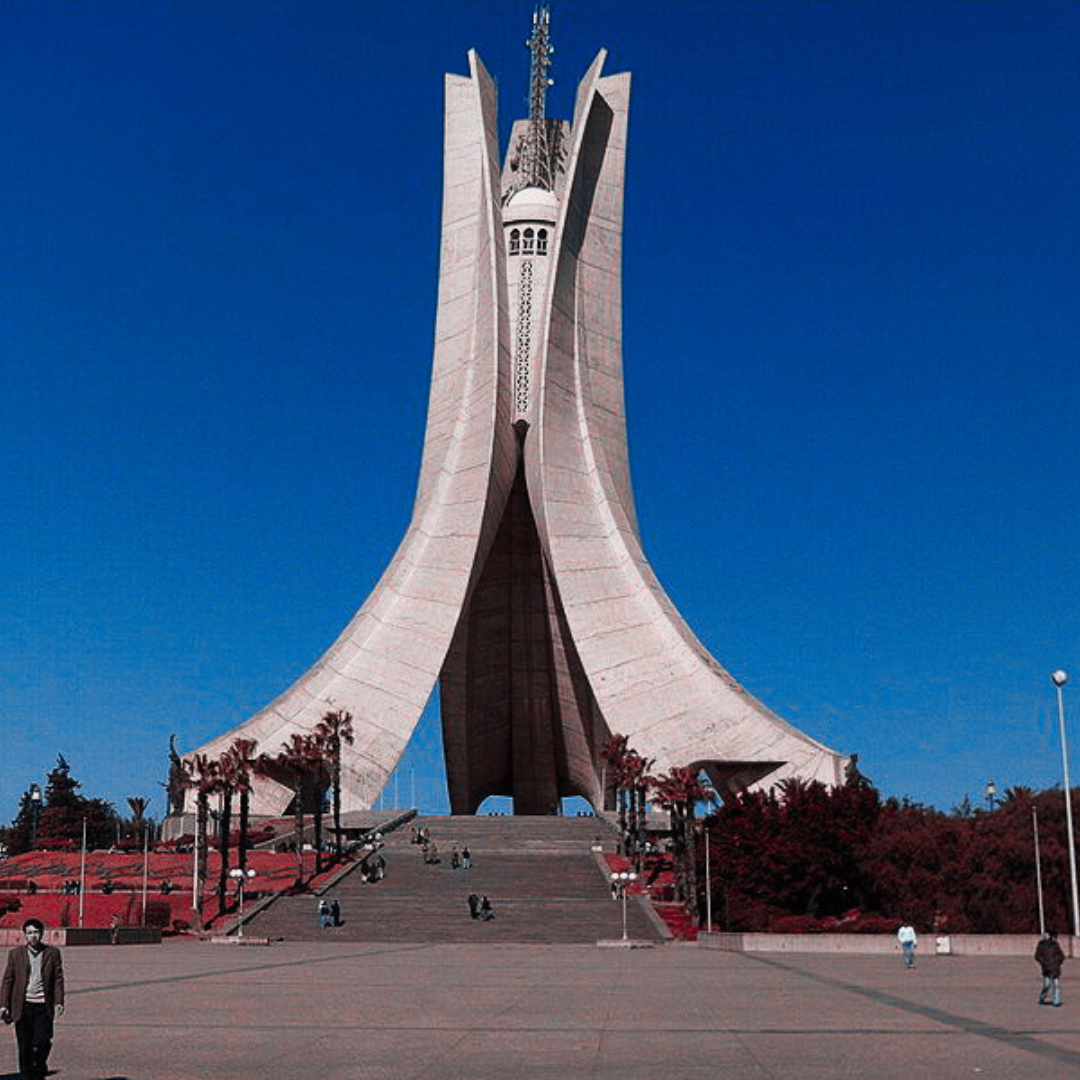
Martyrs of War Memorial in Algiers

Algeria

By Contested Histories Initiative •

In 2020, French Interior Minister Gerald Darmanin sparked controversy during his visit to Algeria after posting a video on Twitter attending a memorial at the Monument of the Martyr (makam el-chahid) in Algiers. The monument was inaugurated in 1982 to mark the 20th anniversary of Algerian independence from France… Read More

#35

Queen Victoria Statue in Hong Kong

China

By Contested Histories Initiative •

The Statue of Queen Victoria, commissioned for her Golden Jubilee in 1887 and installed in Hong Kong in 1896, has been a prominent feature of Victoria Park since 1952. Initially symbolising British colonial legitimacy, it has become a complex symbol in post-colonial Hong Kong. While most locals view the… Read More