#234
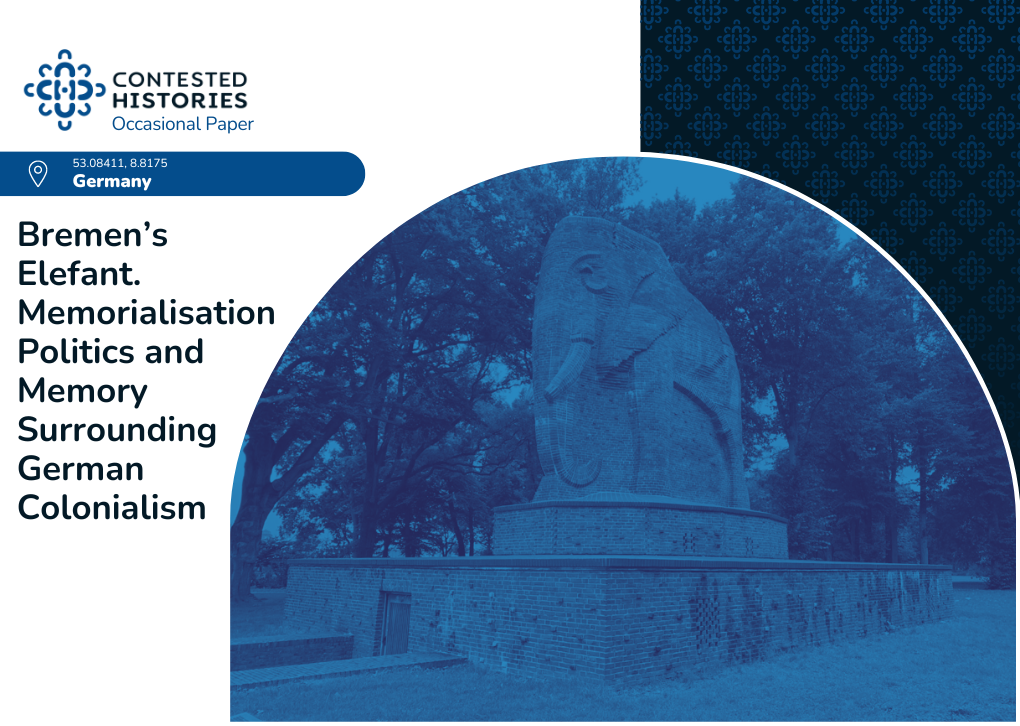
Bremen’s Elefant: Memorialisation, politics, and memory surrounding German colonialism
Germany
By Berklee Baum •
Germany By Berklee Baum March 2022… Read More

Germany By Berklee Baum March 2022… Read More
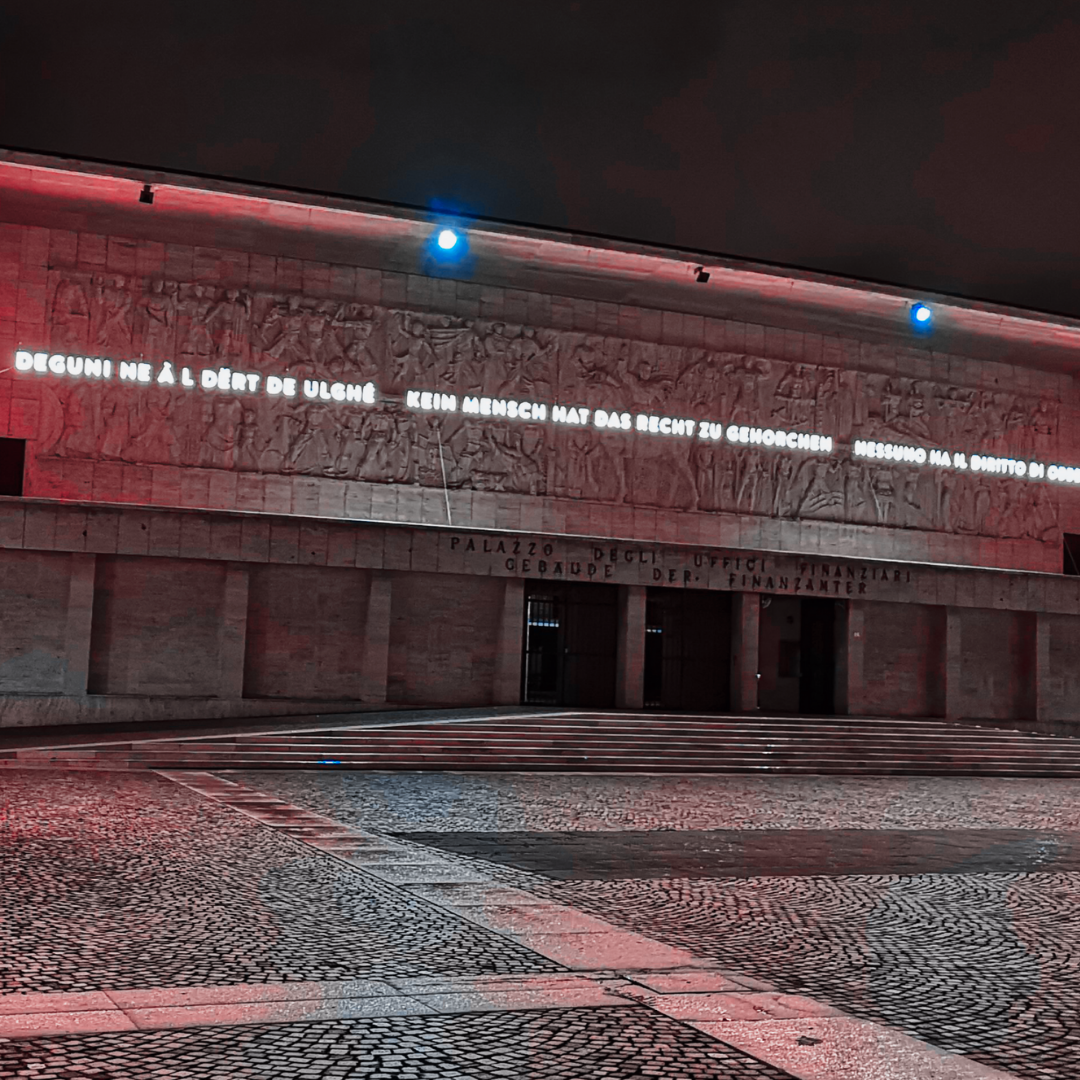
Unlike many monuments of past fascist leaders that have been eradicated throughout Europe, Bolzano, the capital of South Tyrol, Italy, still includes a monumental bas-relief that depicts Benito Mussolini and reminds locals of the Mussolini Fascist regime of Italy. For fifty years, the bas-relief divided opinions between left-wing groups,… Read More
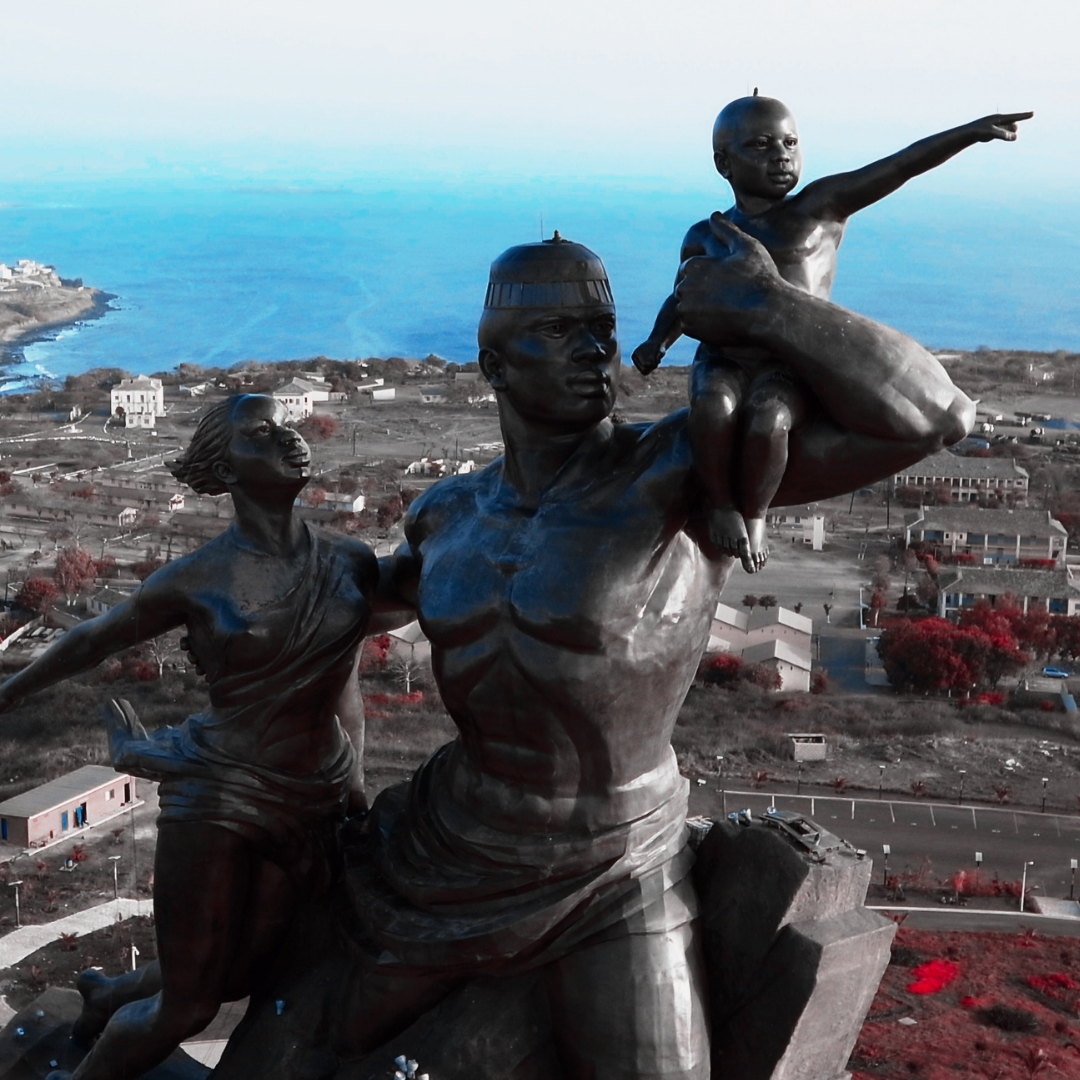
The African Renaissance Monument is a 50-meter tall statue in Dakar, Senegal, erected in 2010 as the project of then-President Abdoulaye Wade. It serves to commemorate the ‘African Renaissance,’ a political ideology that heralds a goal of growth and prosperity for the African continent in the 21st century. However,… Read More
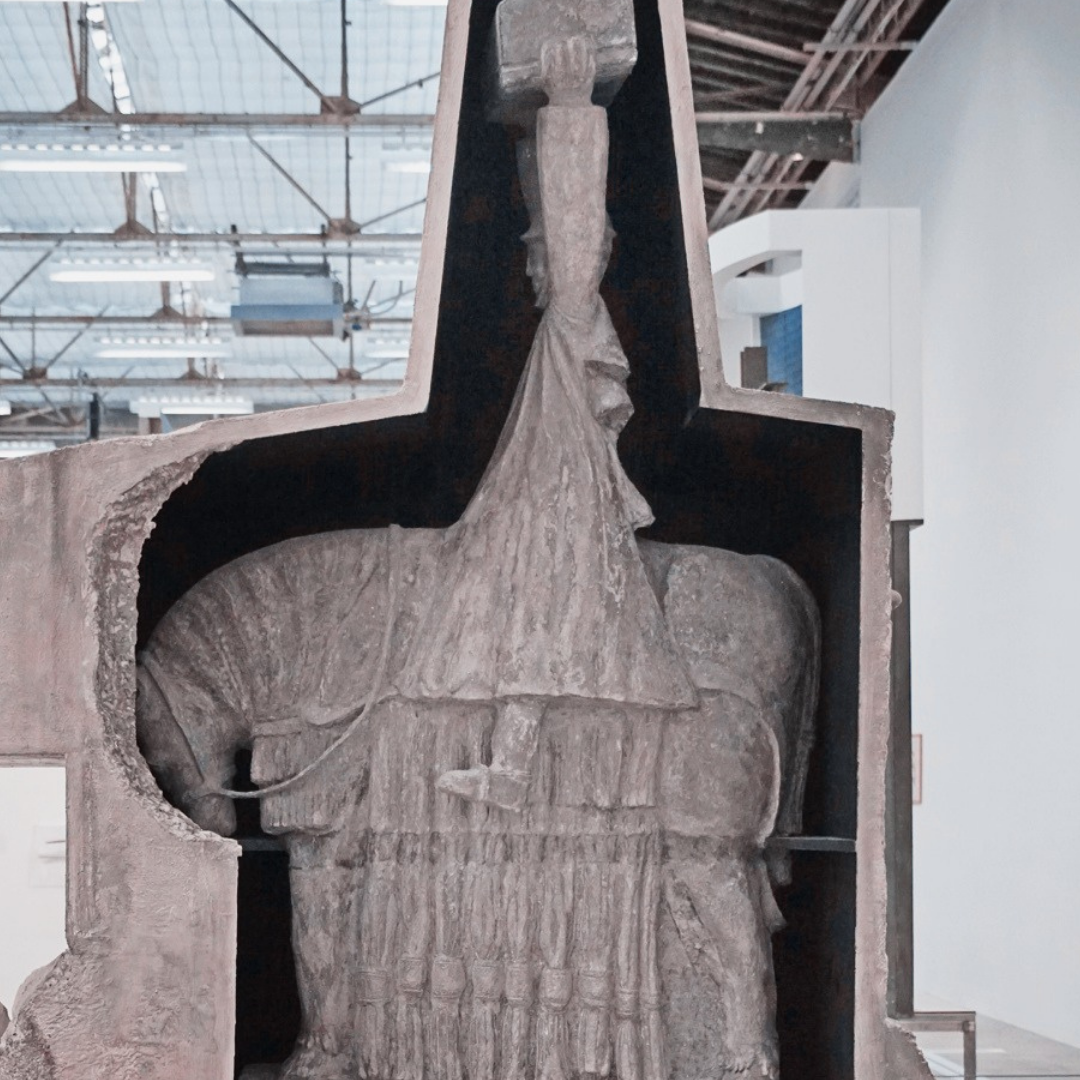
Built after the First World War, ‘Le Pavois’ was meant to symbolise unification between Europe and Africa. However, to the people of Algier, it is a symbol of the colonial past and French oppression. After Algeria gained independence in 1962, discussions between city representatives and local artists arose about… Read More
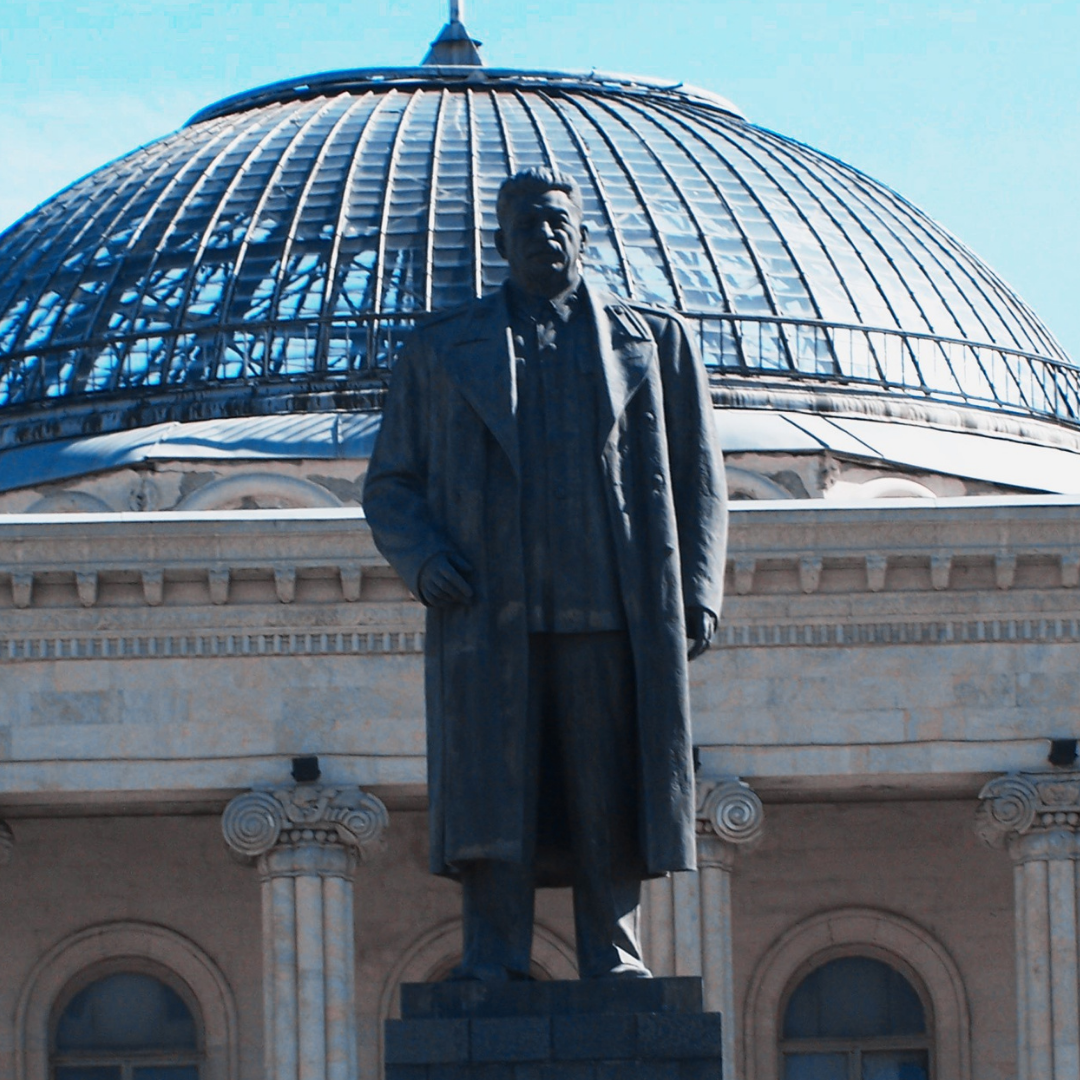
The removal of the Stalin statue from the central square in Gori represents a top-down policy implementation approach to a contested historical monument. Such implementations of Georgia’s Freedom Charter illustrate the legal framework under which symbols, monuments and names of sites related to the Soviet past become reconfigured. However,… Read More
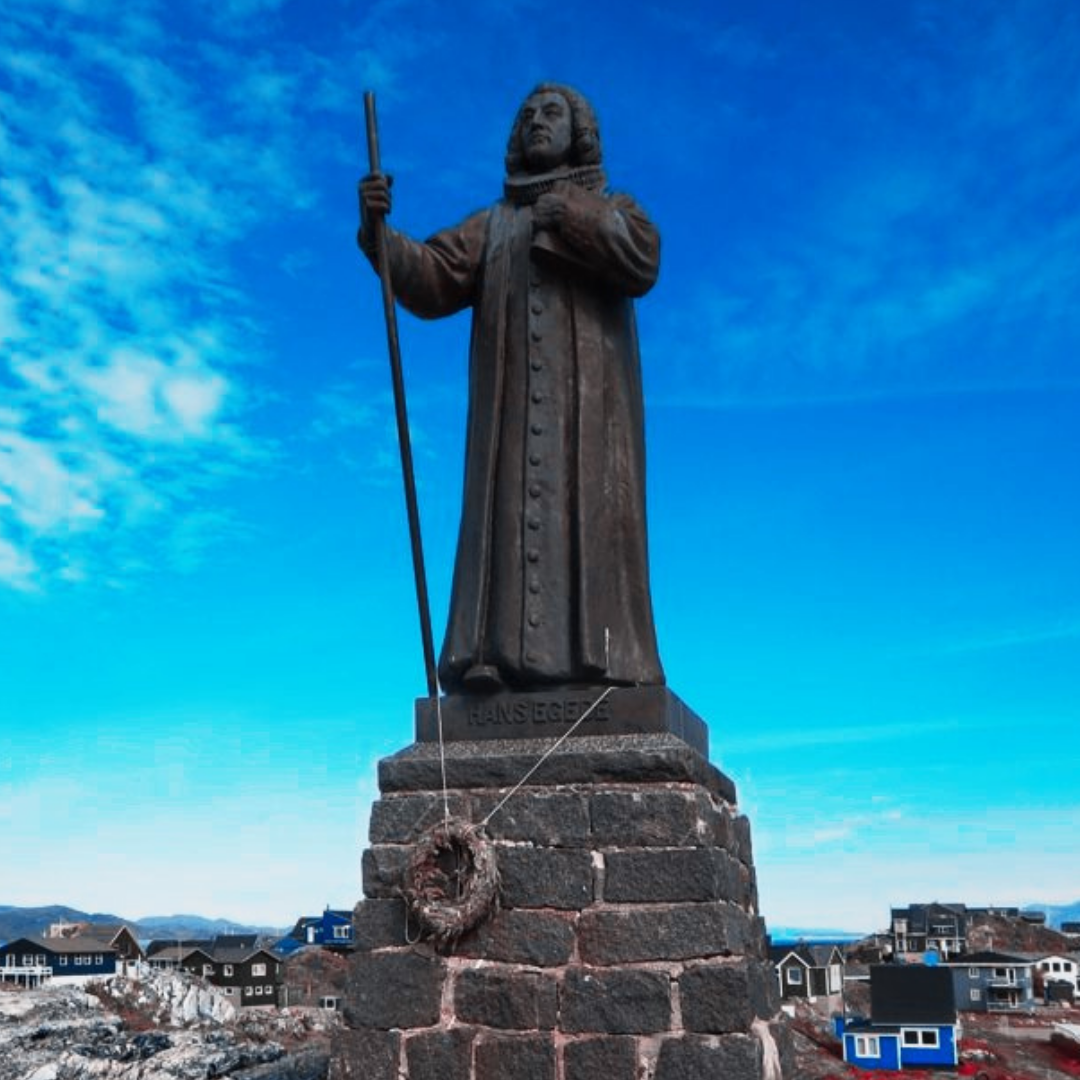
The vandalism of the Hans Egede statue in June 2020, and subsequent discussions surrounding the suitability of its positioning upon a mountaintop in Nuuk, catalysed debate over the colonial past, present, and future of Greenland, known to its indigenous population as Kalaallit Nunaat. Following a community-based political debate and… Read More
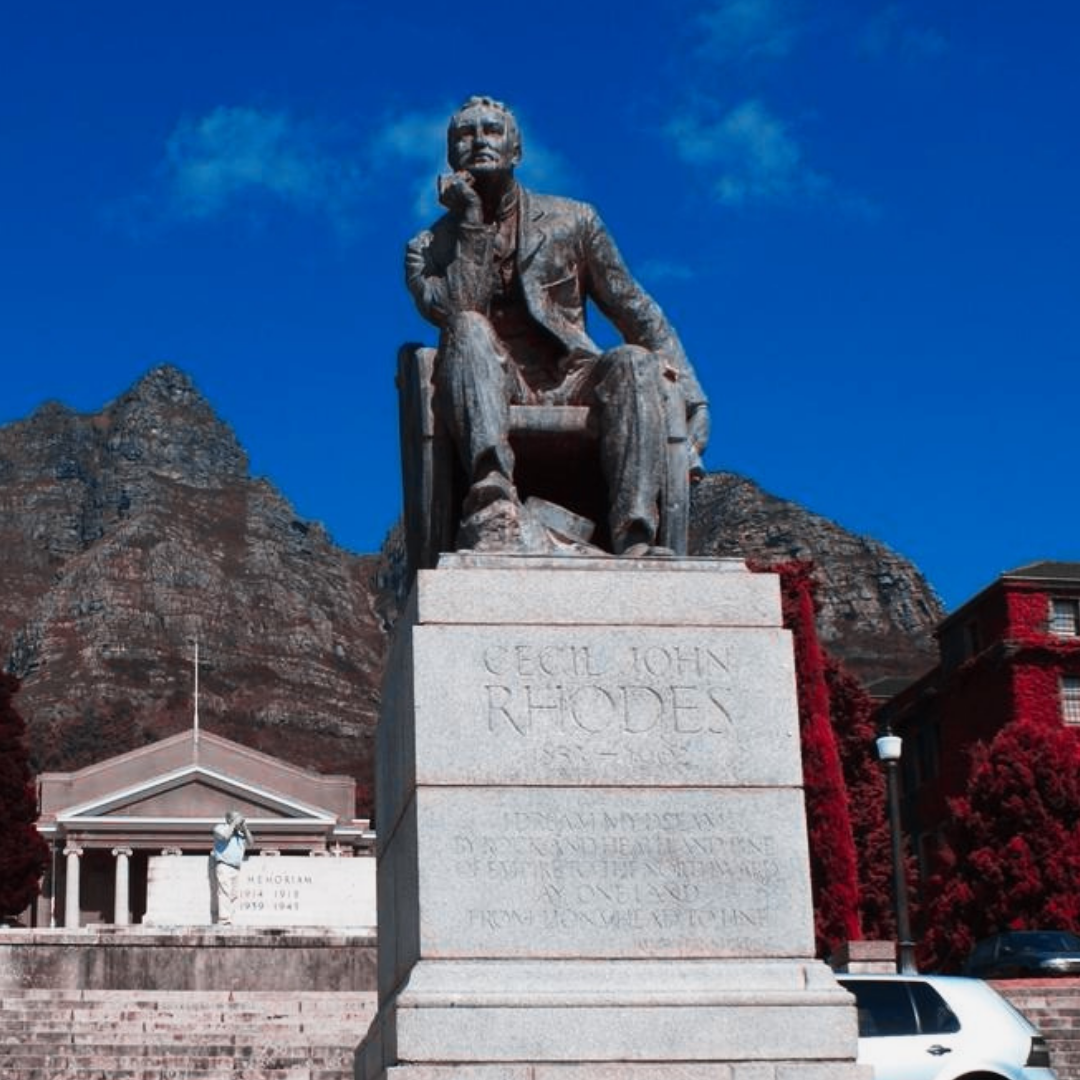
In 2015 the #Rhodesmustfall protests erupted at the University of Cape Town in South Africa. The resulting debate and movement soon spread globally, with similar protests occurring at the University of Oxford. This case study shows how protests over symbolic historical representations can draw wider attention to issues of… Read More
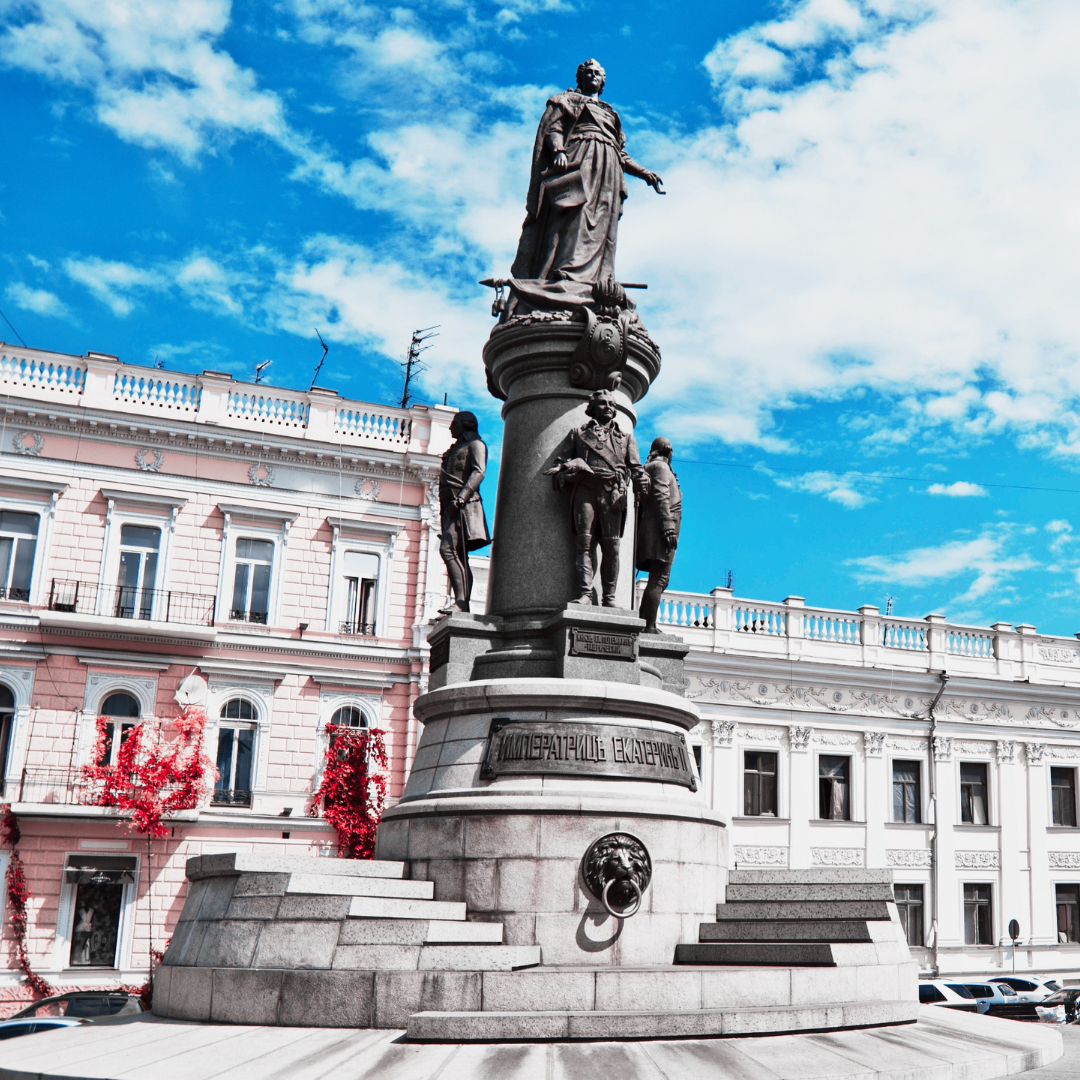
The Monuments to the Odessa Founders features prominently Catherine II of Russia and the men who assisted in the creation of the Russian Empire’s new southern frontier in Ukraine. The monument was inaugurated in 1894, but the start of communist rule in Ukraine prompted a series of removals and… Read More
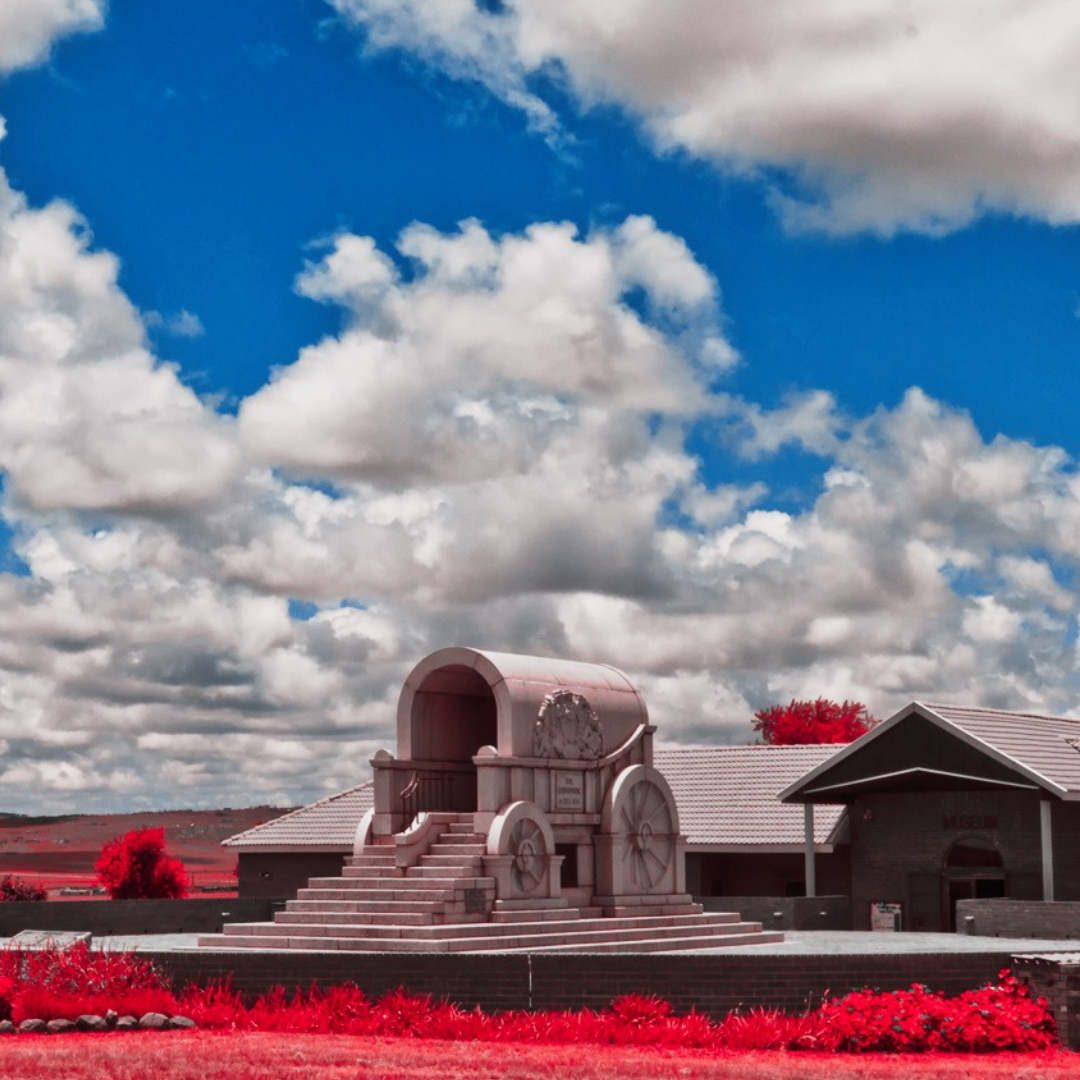
On the 16th of December 1838 the infamous Battle of Blood River on the banks of the Ncome River between Zulu warriors and Afrikaans Voortrekkers took place. Commemoration and mythologization of the battle became a key focal point of the ethno-nationalism of each group and remained heavily contested. In… Read More
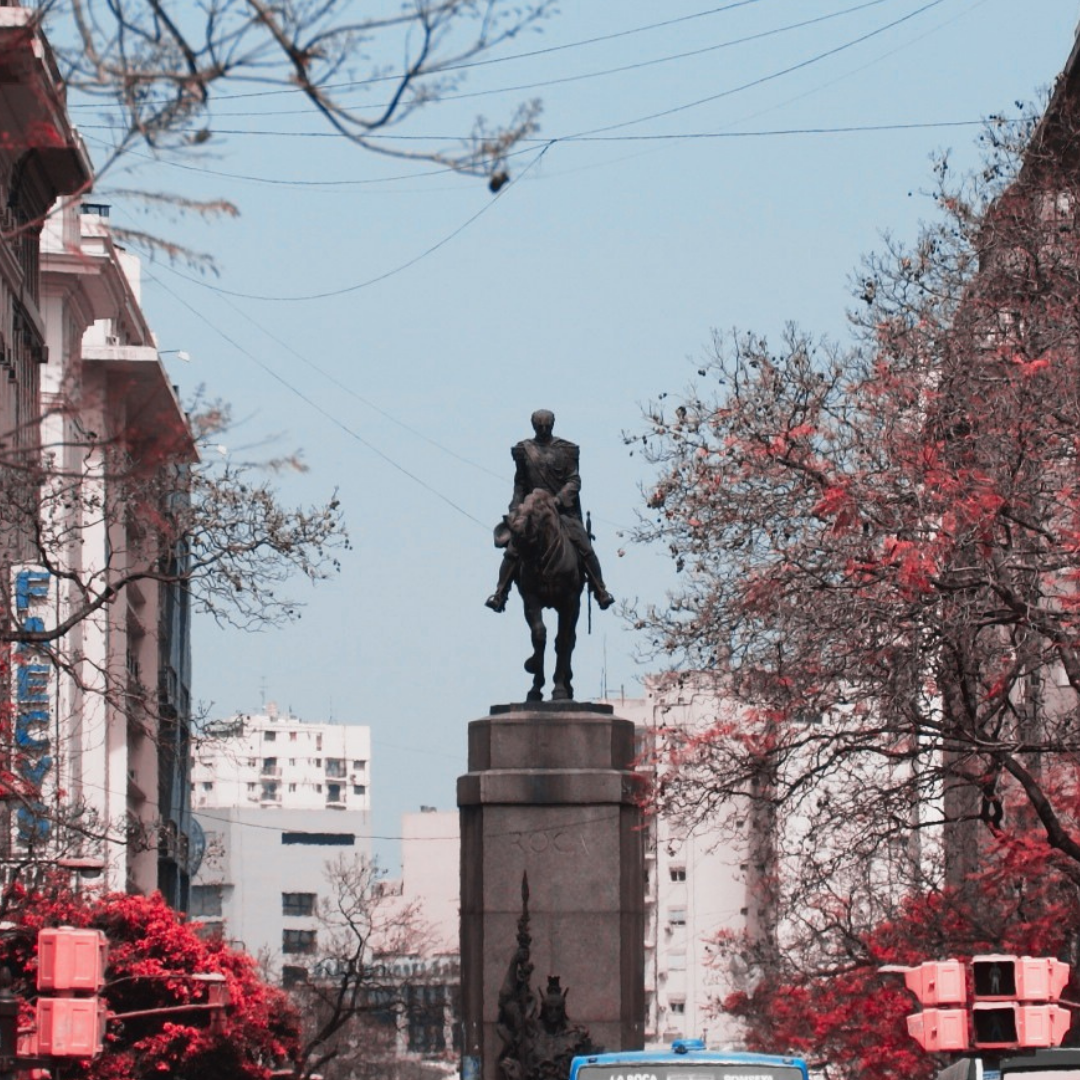
Former Argentine President Julio Argentino Roca remains a divisive and controversial figure in his home country. Despite forging the foundations of the modern Argentine state, Roca’s campaigns in Patagonia in the ‘Conquest of the Desert’ campaign, has lead to claims that he perpetrated genocide against indigenous Argentine populations. In… Read More