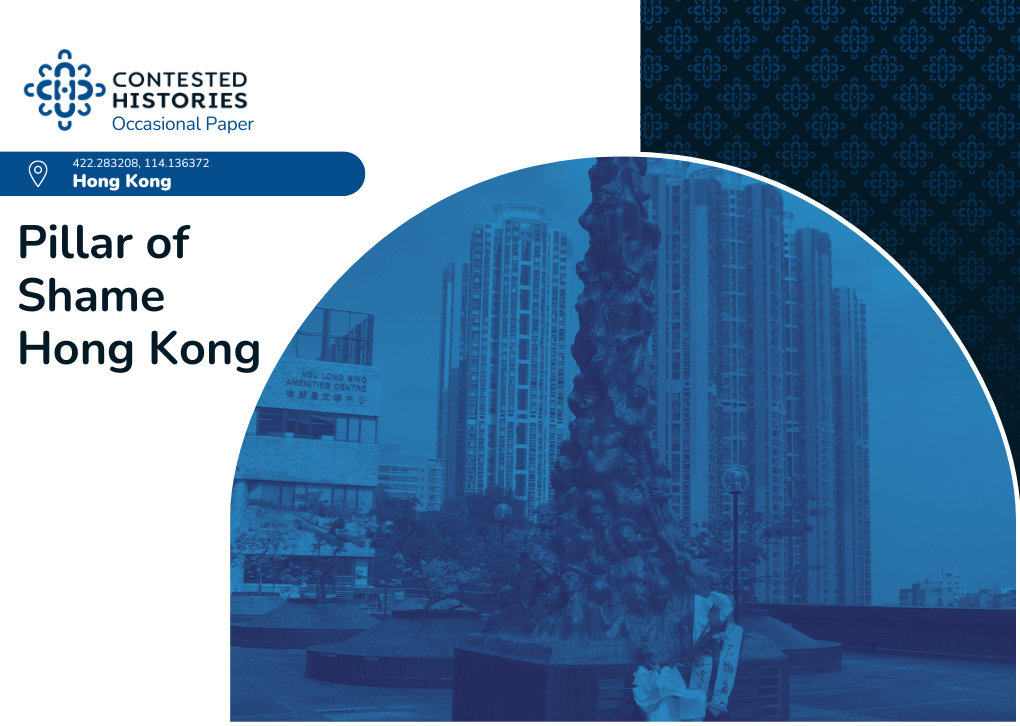
Pillar of Shame
Hong Kong
By Contested Histories Initiative •
Hong Kong By IHJR Research Team August 2022… Read More
The death of Francisco Franco in 1975 brought to close a painful era in Spanish History. In 2007 Spain enacted the Historical Memory Law, which formally condemns the Franco Regime and mandates the removal of public tributes to Franco. His statue in Melilla was one of the only remaining depictions… Read More
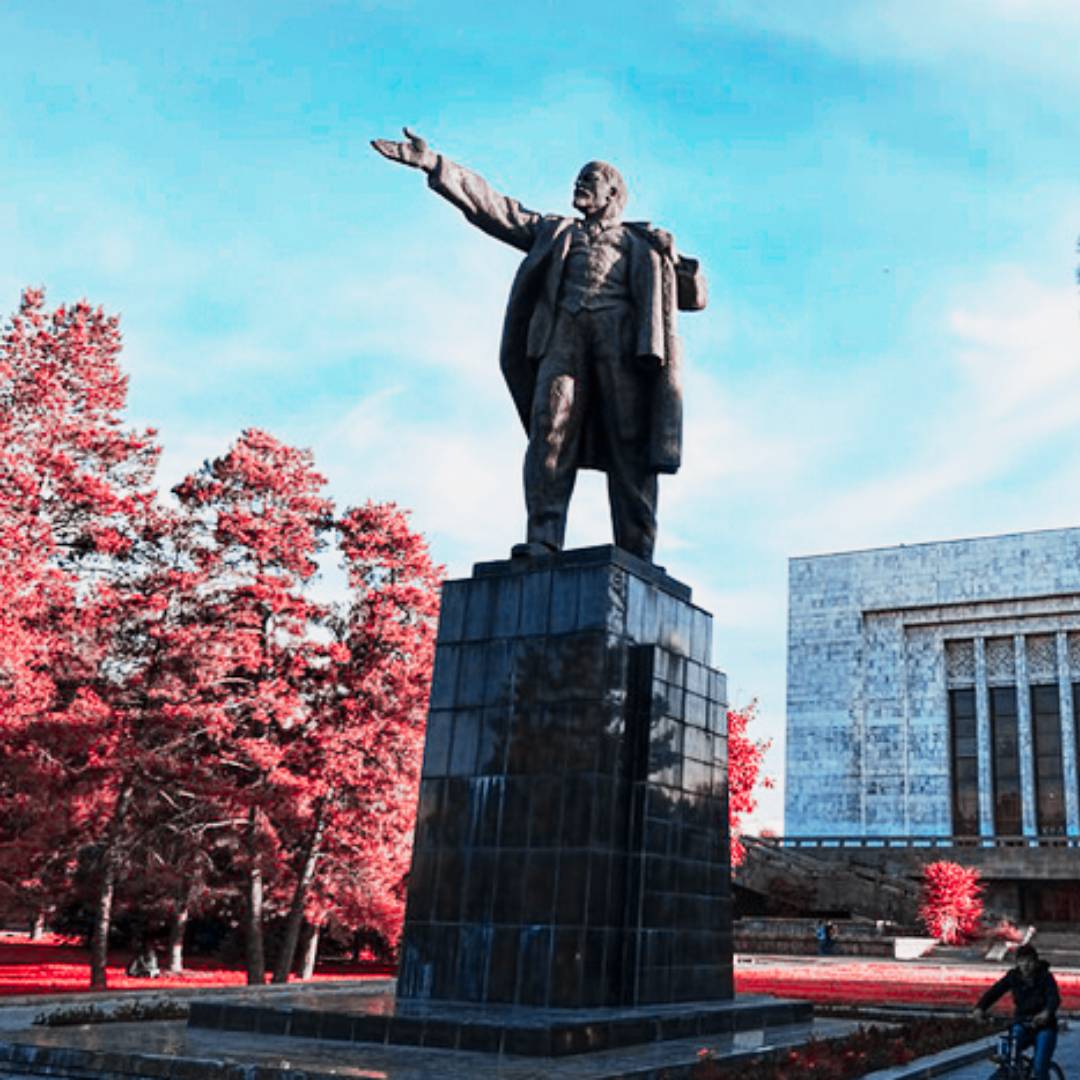
The Lenin Statue in Bishkek was erected in 1984, during the 60th anniversary of the Kyrgyz Soviet Socialist Republic. Shortly after the fall of communism in 1991, all Lenin statues were taken down. However, Bishkek’s Lenin stood in the same square until 2003. This year, the square was going to… Read More
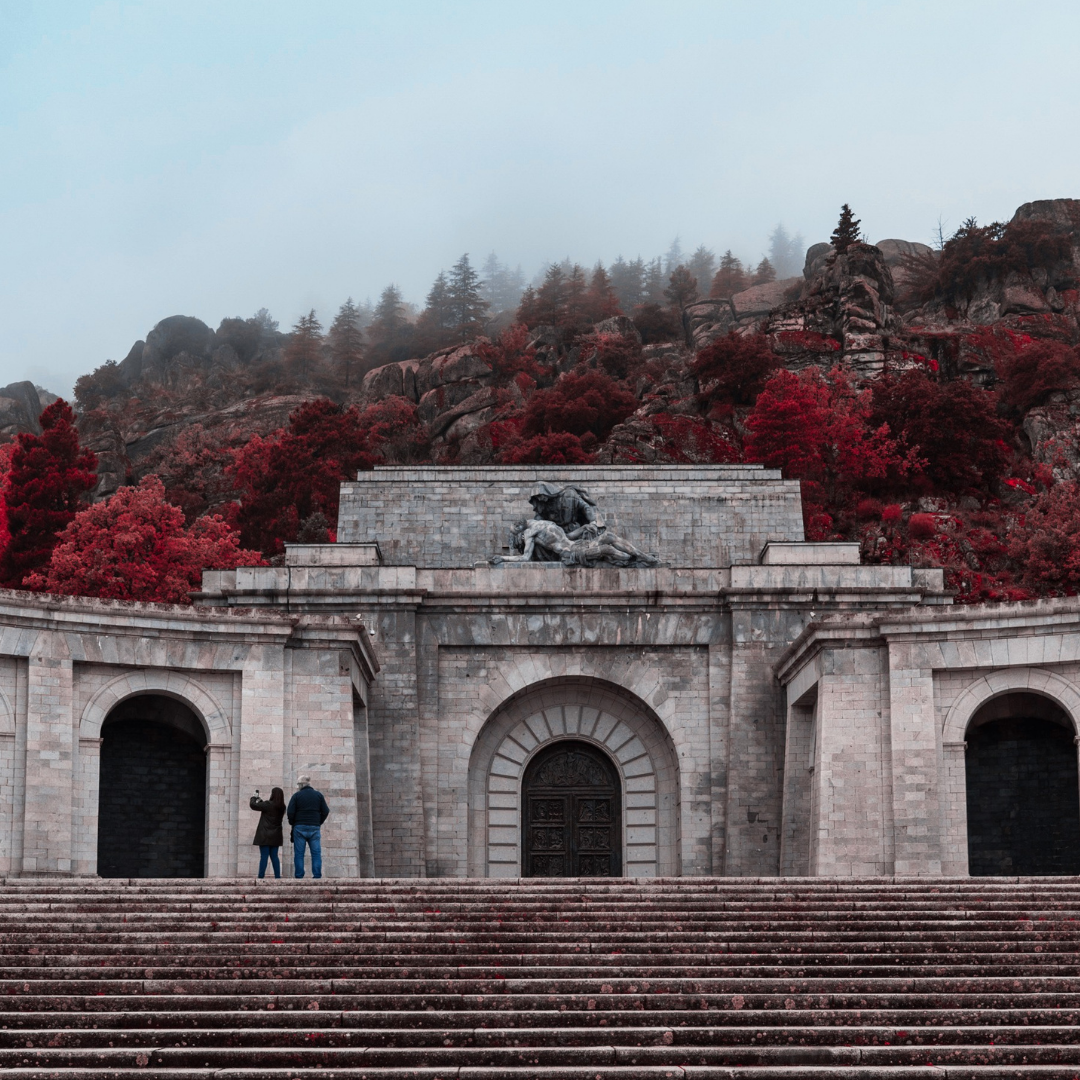
The Valley of the Fallen in Madrid was built in the 1940s by order of dictator Francisco Franco and, was in part, built by forced labour from political prisoners. Its aim was to be a mausoleum for victims of the Civil War from the Francoist side but at the end… Read More
After 30 years since the statue of Tunisia’s first president Habib Bourguiba was removed, it returned to central Tunis in June 2016. The return of the statue was intended to be a grand gesture of patriotism, around which all Tunisian’s could unite. It became clear, however, that the move was… Read More
Unlike many monuments of past fascist leaders that have been eradicated throughout Europe, Bolzano, the capital of South Tyrol, Italy, still includes a monumental bas-relief that depicts Benito Mussolini and reminds locals of the Mussolini Fascist regime of Italy. For fifty years, the bas-relief divided opinions between left-wing groups, who… Read More
The Chiang Kai-shek Memorial Hall in Taipei City, Taiwan opened to the public in 1980, five years after Taiwan’s first president Chiang Kai-shek’s death, in honour of Chiang’s legacies after he established rule over Taiwan from 1949 onwards. Since Taiwan’s democratization in the late 1980s, the Memorial Hall and many… Read More
Following the military coup against Salvador Allende in September 1973, the Chilean Armed Forces transformed the former stadium of Estadio Nacional Julio Martínez Prádanos into the country’s largest detention centre for political prisoners, where abuse was rife. Following the transition to democracy, the Estadio Nacional possessed a complicated status functioning… Read More
The removal of the Stalin statue from the central square in Gori represents a top-down policy implementation approach to a contested historical monument. Such implementations of Georgia’s Freedom Charter illustrate the legal framework under which symbols, monuments and names of sites related to the Soviet past become reconfigured. However, positions… Read More
This book examines the role of post-conflict memorial arts in bringing about gender justice in transitional societies. The book brings together research from scholars around the world who are interested in the gendered dimensions of memory-making in transitional societies. Aimed at those interested in the fields of transitional justice, memory… Read More